
Keep Essential Systems Running During Outages
Backup generator installation for homes in Vancouver, Washington
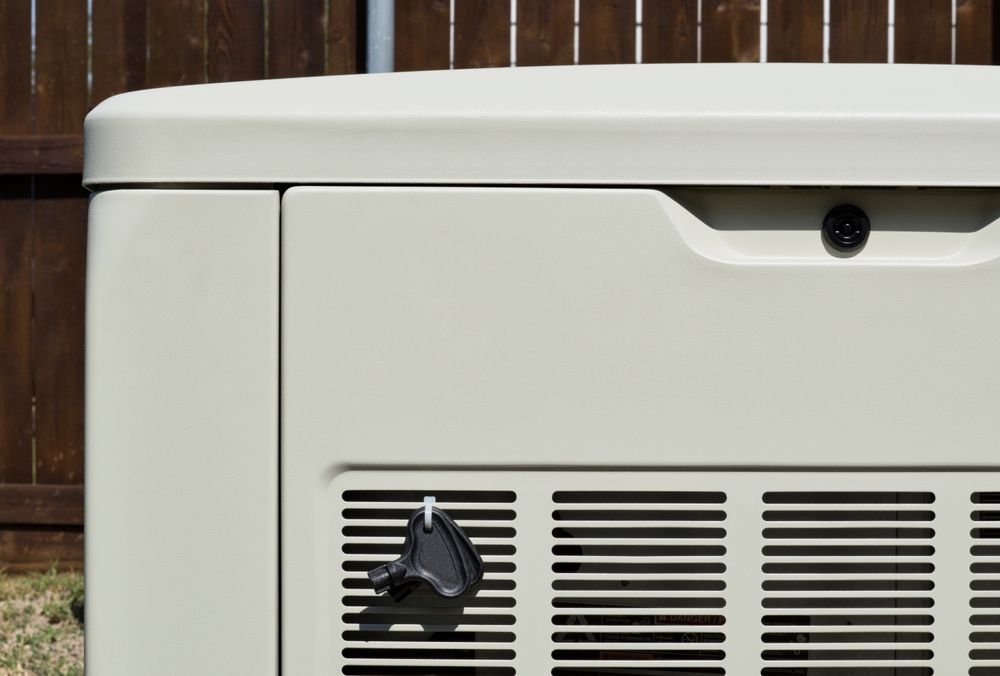
Power outages in Vancouver often follow winter storms, wind events, or utility maintenance, leaving your home without refrigeration, heating, or lighting until service is restored. A backup generator automatically starts when the power goes out and delivers electricity to essential circuits in your home until grid power returns. Elevate NW Electric installs backup generators that connect to your existing electrical panel and operate safely under load, providing energy security for homeowners throughout Vancouver and surrounding areas.
This service includes coordinating the generator electrical connection with your panel, installing a transfer switch to prevent backfeeding, and ensuring proper load management so the generator supplies power only to designated circuits. Generators are typically installed outdoors on a concrete pad near the home and connected to natural gas or propane fuel sources. The installation follows electrical codes applicable in Vancouver and includes testing the system to confirm it starts automatically during an outage.
If you want to protect your Vancouver home from extended power loss, learn more about generator installation and system sizing.
How Generators Connect to Your Home Electrical System
Generator installation in your Vancouver home begins with determining which circuits will receive backup power and sizing the generator to handle that combined load. You will see a transfer switch installed between the generator and your electrical panel, conduit run from the generator to the switch, and the unit mounted on a level concrete pad with proper clearance from walls and windows. The generator is connected to your fuel source and tested to ensure it starts automatically when grid power is interrupted.
Once the installation is completed, you will notice that refrigerators, lighting, sump pumps, and HVAC systems continue operating during an outage without manual intervention. The transfer switch prevents the generator from sending power back into utility lines, and the system shuts down automatically when grid power is restored. These changes confirm that your home has functional backup power capable of running essential systems for hours or days depending on fuel availability.
Generator installation does not include running power to every circuit in the home or providing indefinite runtime without refueling. Whole-home generators require larger units and higher fuel consumption, while partial-load generators focus on critical systems. This service ensures safe operation, proper load management, and code-compliant installation for residential backup power needs.
Homeowners Usually Have Questions About Generator Systems
Homeowners considering backup generators often ask about sizing, fuel options, and how the system operates during outages, so the questions below address the most common concerns about installation and functionality.
Elevate NW Electric installs backup generators for homeowners throughout Vancouver who want to maintain power during storm-related outages and protect essential systems from extended downtime. If you are preparing your home for energy security and reliable backup power, contact us to discuss generator sizing and installation scheduling.